About Posing
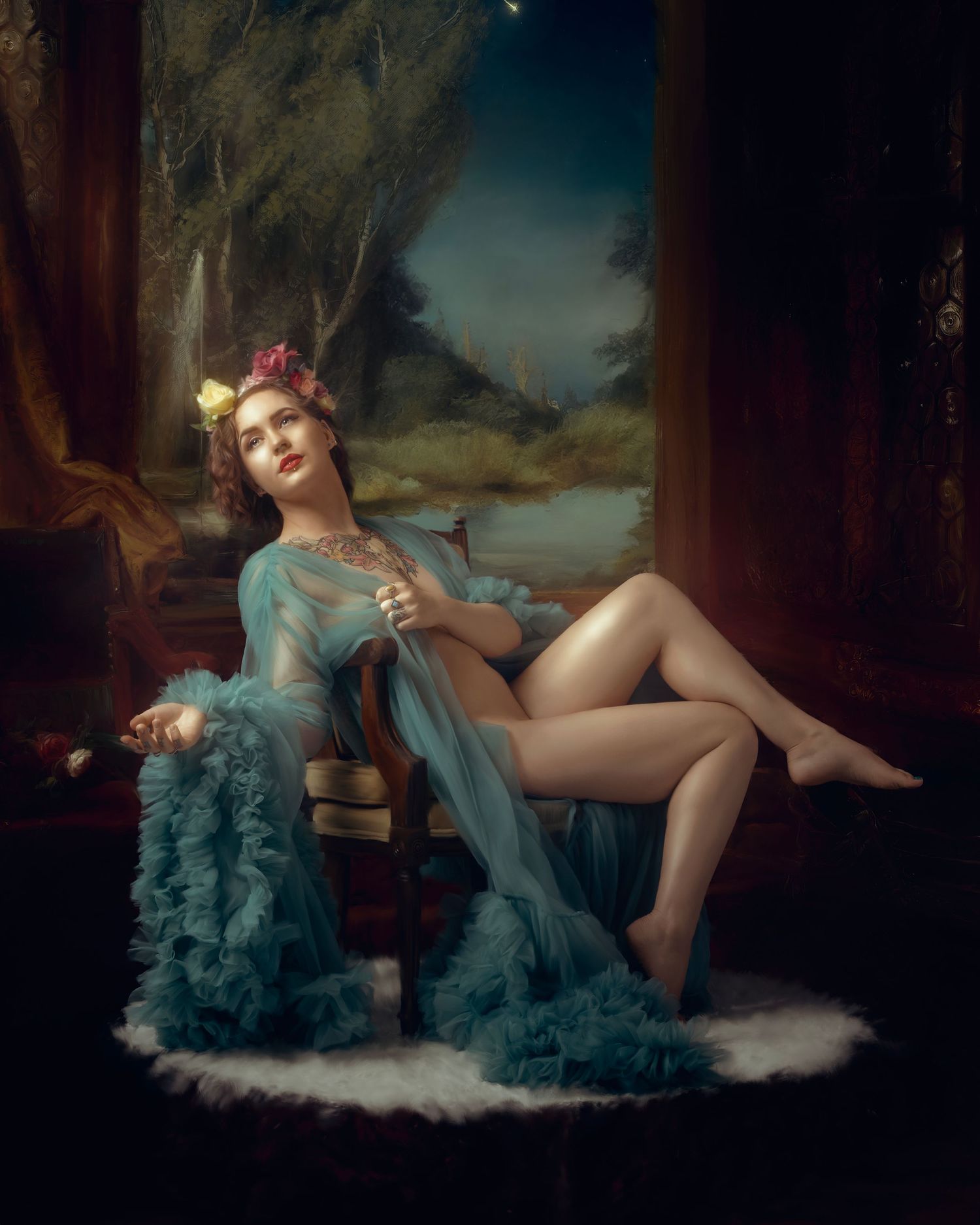
The Basics
How to build a poseMy posing follows the philosophy taught to me by my mentor, the incredibly talented Chris Koeppen of An Ethereal Fire (@anetherealfire on Instagram). It is wonderfully simple advice that can create some incredibly dynamic poses:
"If something can move, it should"
*A Caveat Before we Begin
Not all bodies are the same, and not all individuals are capable of moving in the same way. That does not make the below advice any less valid. If something discussed does not apply to you or your body, it simply makes the resulting pose reflect your story!
What does that mean?
The body is amazing with so many moving parts.
Photography is limited in that it only shows a single angle at a single moment in time. By utilizing all of the ways that a body can move, we can create dynamic images that capture more movement, emotion and tell your story.
Consider all of the parts that can bend or twist from the bottom up... Toes, ankles, knees, hips, spine, shoulders, collarbone, neck, jaw etc. We will talk about hands and arms later. If we can use all of these joints to help tell our story, imagine how much more powerful it will be!
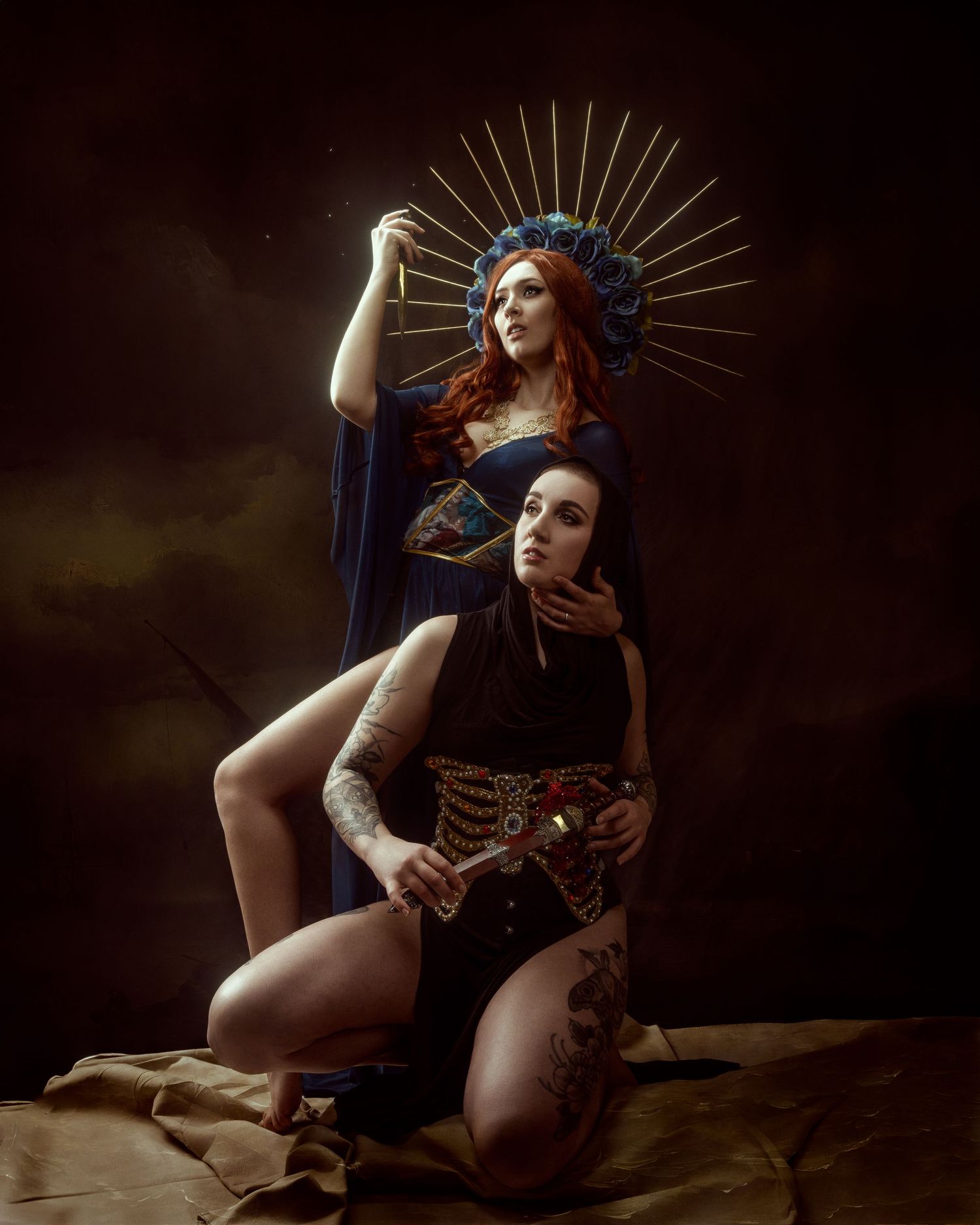
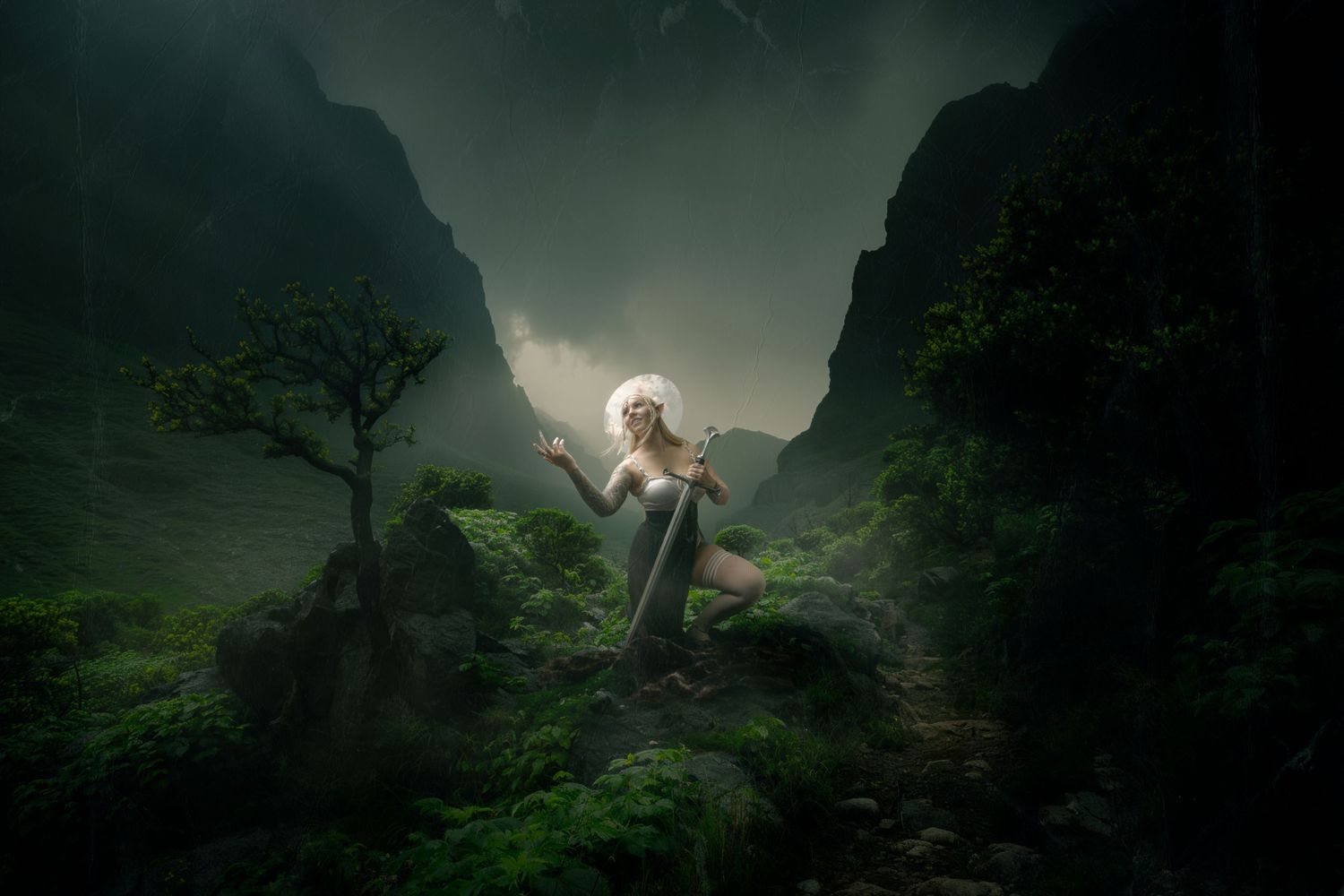
How does this work in practice?
Now we can talk about the arms! Think about how much you do with your arms from day to day. You reach for things, hold them, carry them. Your hands are used for gentle touch as well as for force. In a fantasy setting, your hands and arms might even be used for violence!
Now consider how much of your body is used for each of these actions... While you apply force, other parts of your body engage to assist. Your hips twist, your knees bend etc.
When you use gentle touch, you might find yourself extending - your spine leaning in, you might stand on your toes.
Try to do some of these actions and pay attention to what parts of your bodies engage. The goal in posing is to accentuate and enhance these motions so they are reflected in the photos. As we accentuate these poses, it might feel quite forced and unnatural - trust the process! The resulting images are dynamic and truly tell a story.
Theory
Creating Length
Length is an important visual element in photography and is not interchangeable with height.
Length can be created by moving your body - if you tilt your head slightly towards the backdrop, it creates length in your neck which is visually interesting.
If you have graceful slight curves in your arms, it can help to create length either horizontally or vertically, depending on how they are situated.
Tilting your hips can create length in your legs and torso.
Visually, length can be associated with elegance and grace, as well as power and confidence.
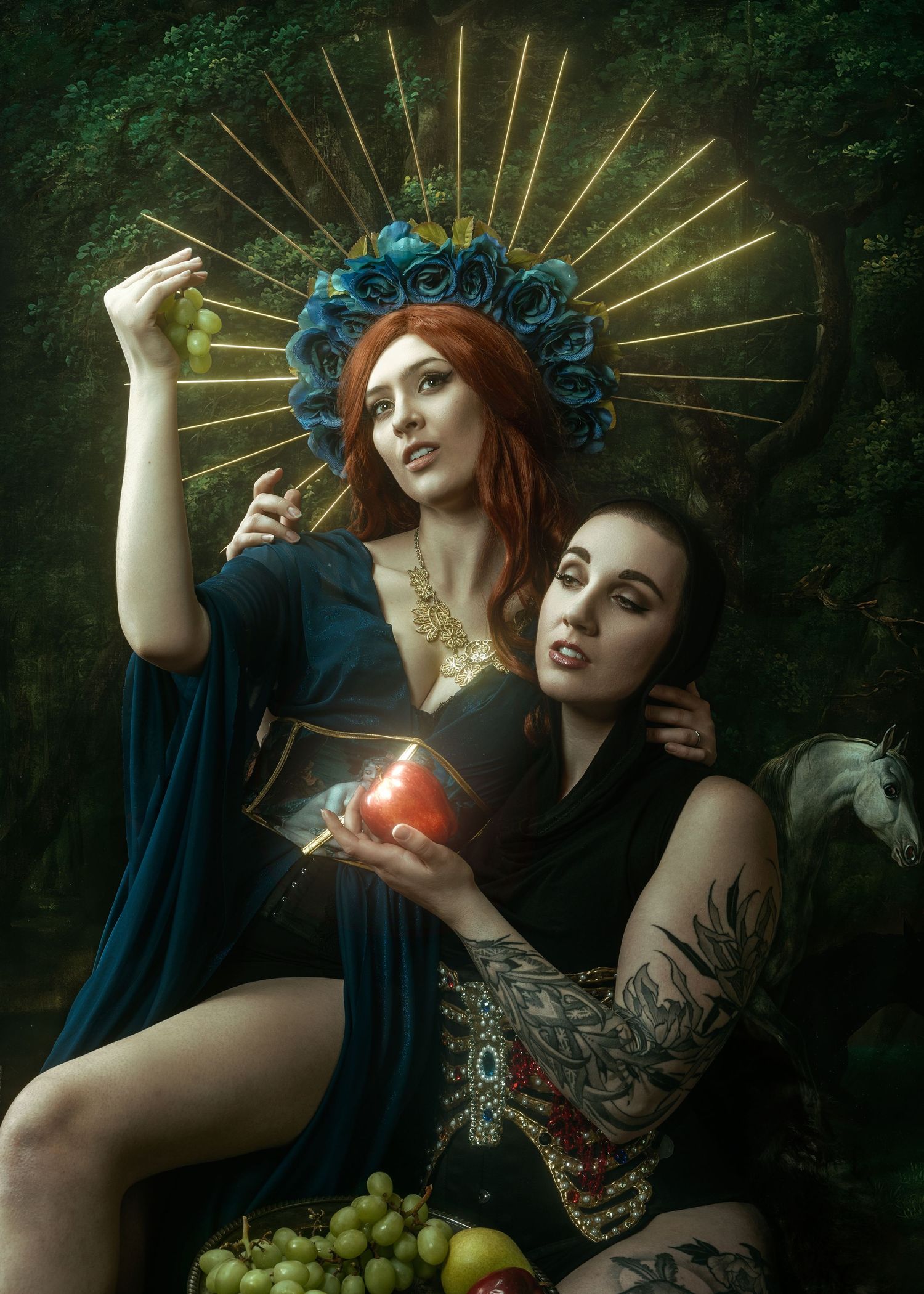
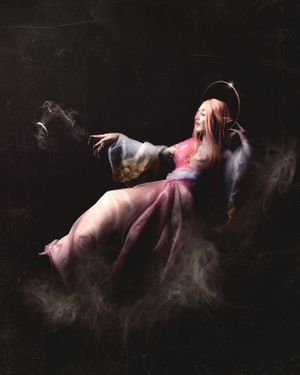
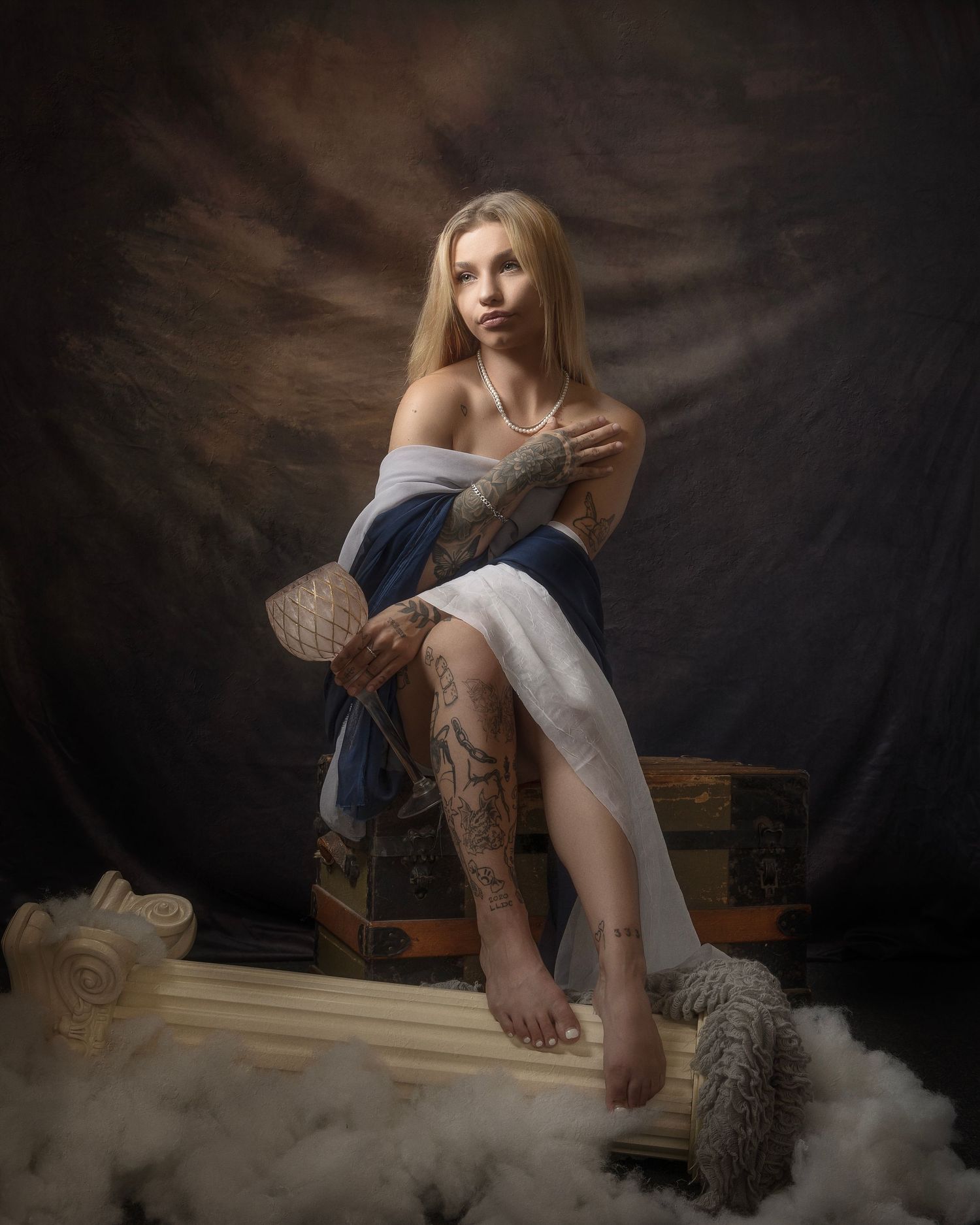
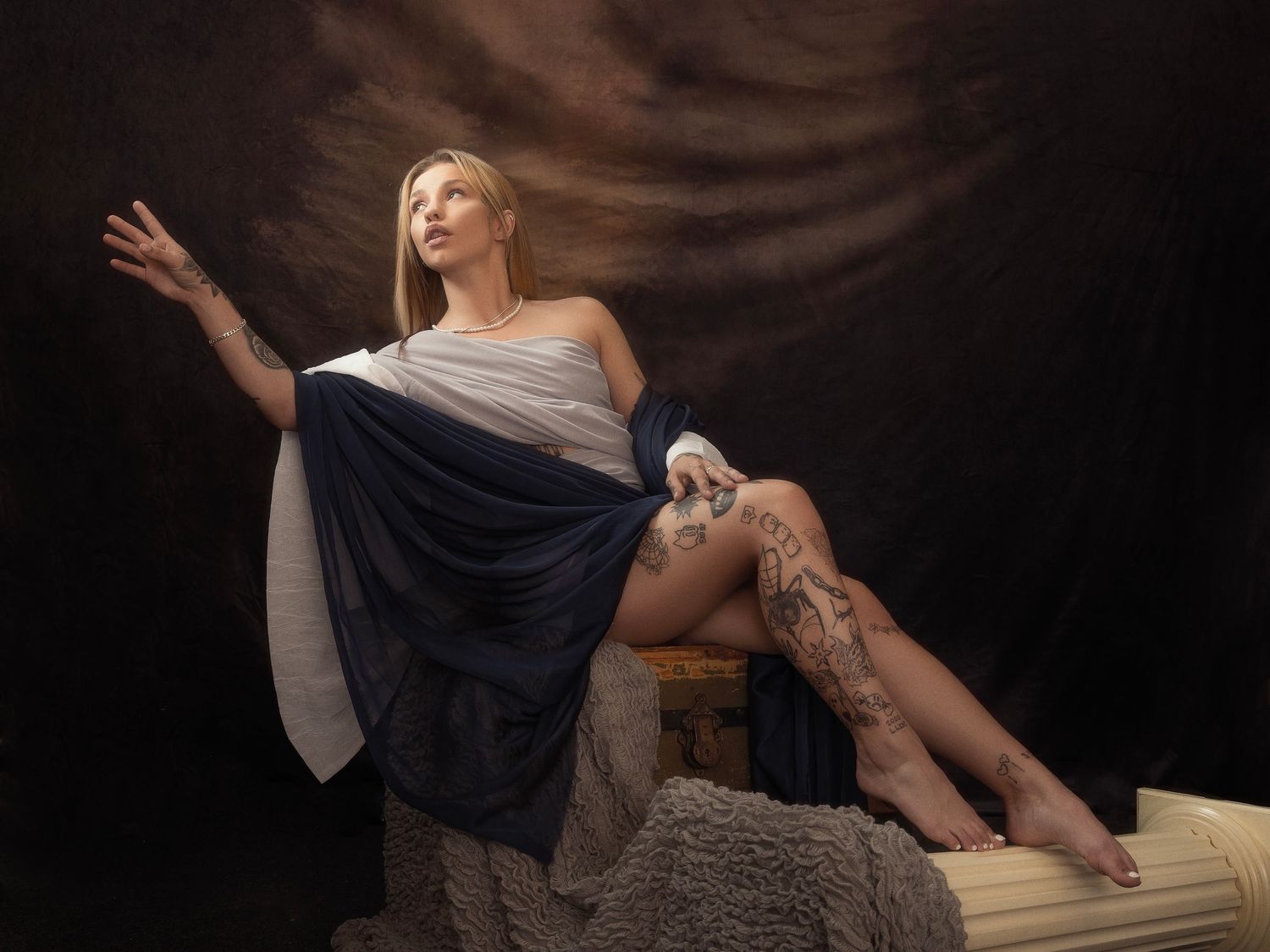
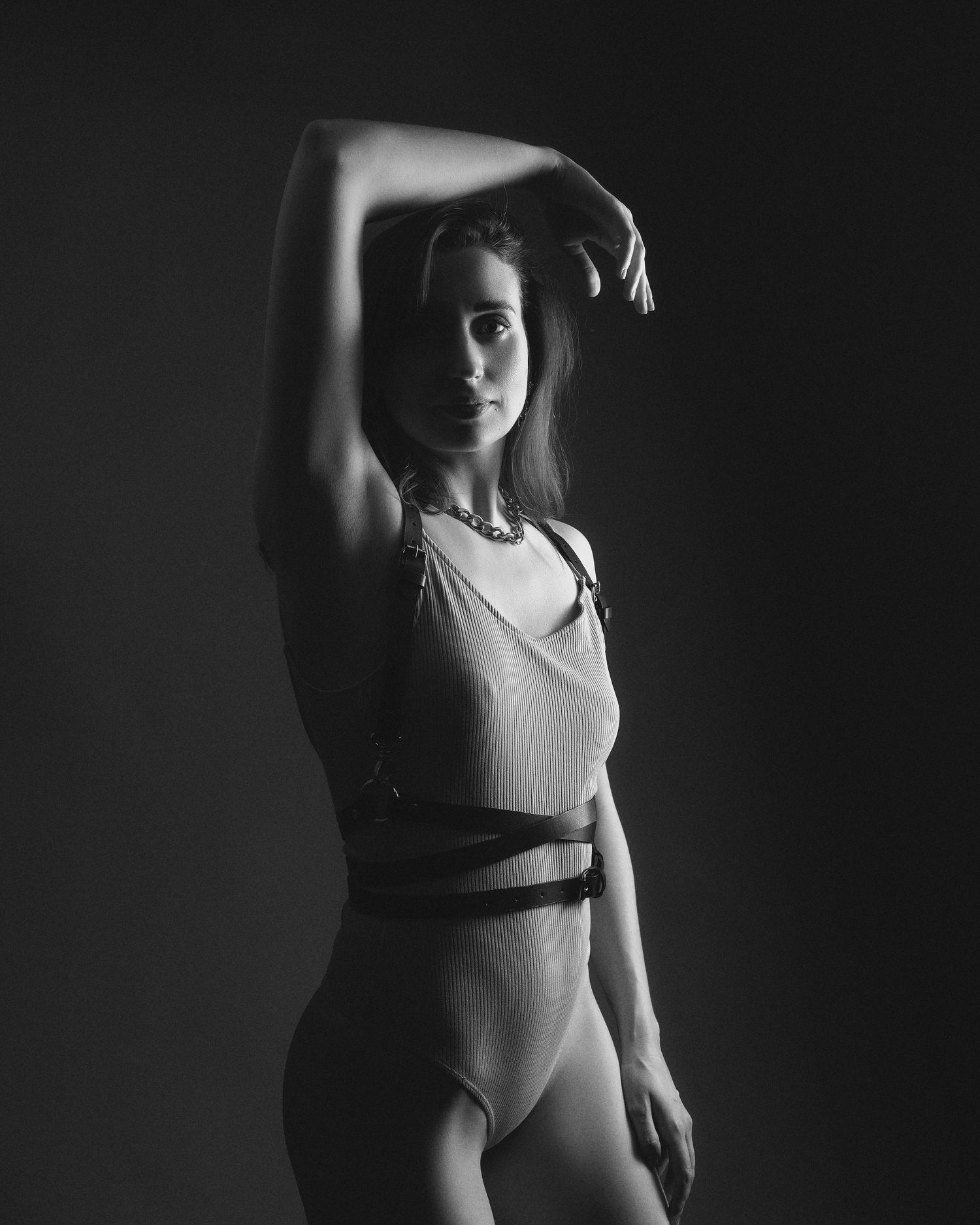
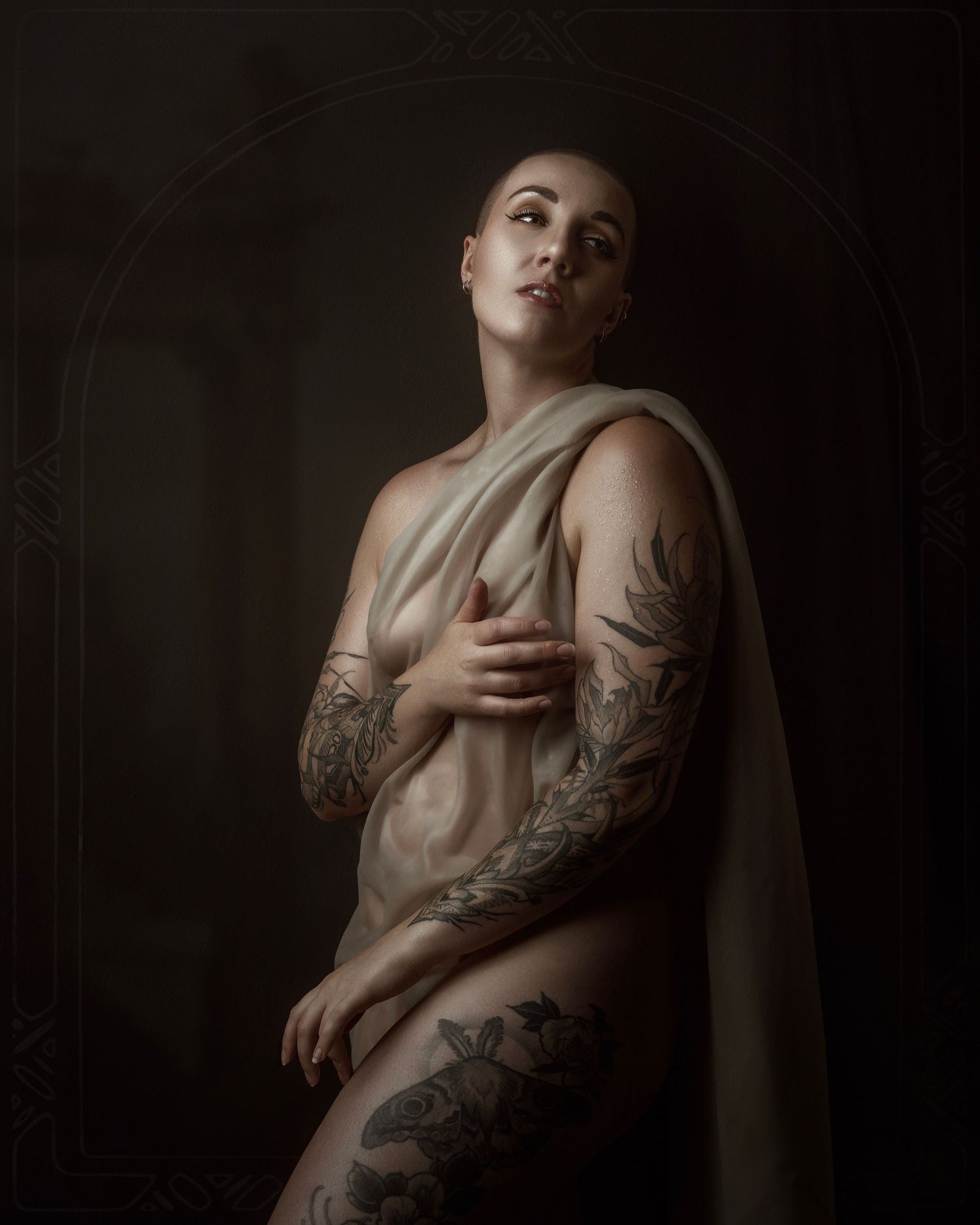
Notice in the some of the example images the arms appear long and parallel to the torso, enhancing the length of the torso. The heads are tilted away from the camera, enhancing the length of the neck. The hips are twisted and raised, lengthening the leg and the subject is standing on their toes, helping their whole body to lengthen.
Strength & Power
Right angles (90 degree) can help convey a sense of power or authority. Taking up space with arms out can enhance this effect. A right angle by definition allows the subject to take up more space. Consider having your arms close to your side vs having your arm extended as if showing off your biceps - which one takes up the most space and which one looks more confident and powerful?
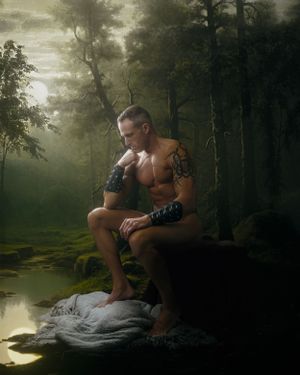
In some of the example images, we see a few near right angles which show strength and power. By limiting the amount of space the subject takes up, we can make the image appear softer and more introspective. This can lead to images that have a feeling of strength, introspection and resolve,
In some images, the subject takes up more space in the image demands more visual attention. This can portray strength and confidence.
Whimsy & Adventure
Building on the previous sections, whimsy and adventure has much to do with the story.
Natural movements like reaching towards something, gazing out of frame or taking a step as if walking can add a ton of story to your pose.
These movements can give the viewer information, but also guide their eye around the frame! Viewers will naturally look for what the subject is looking at. They will engage with the story: "what are you reaching for? Where are you going?"
Examples
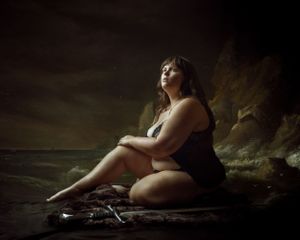
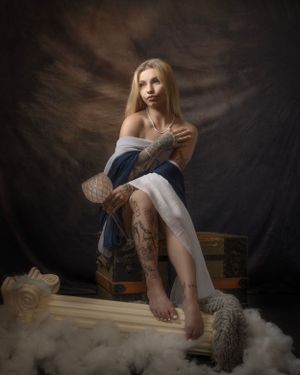
Look at the images below, and try to imagine what emotions are being captured, and what the story might be. How does the posing contribute to these interpretations?
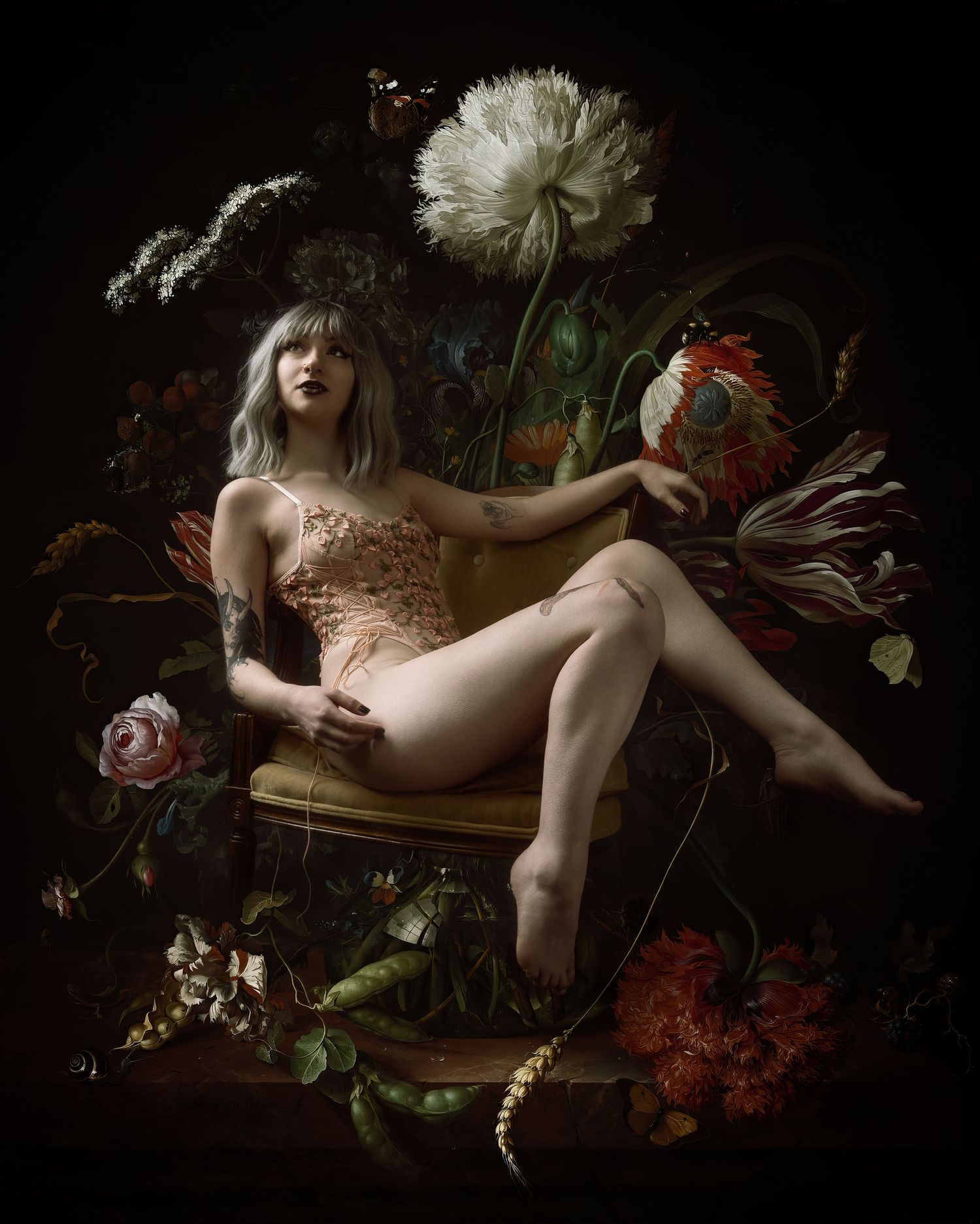
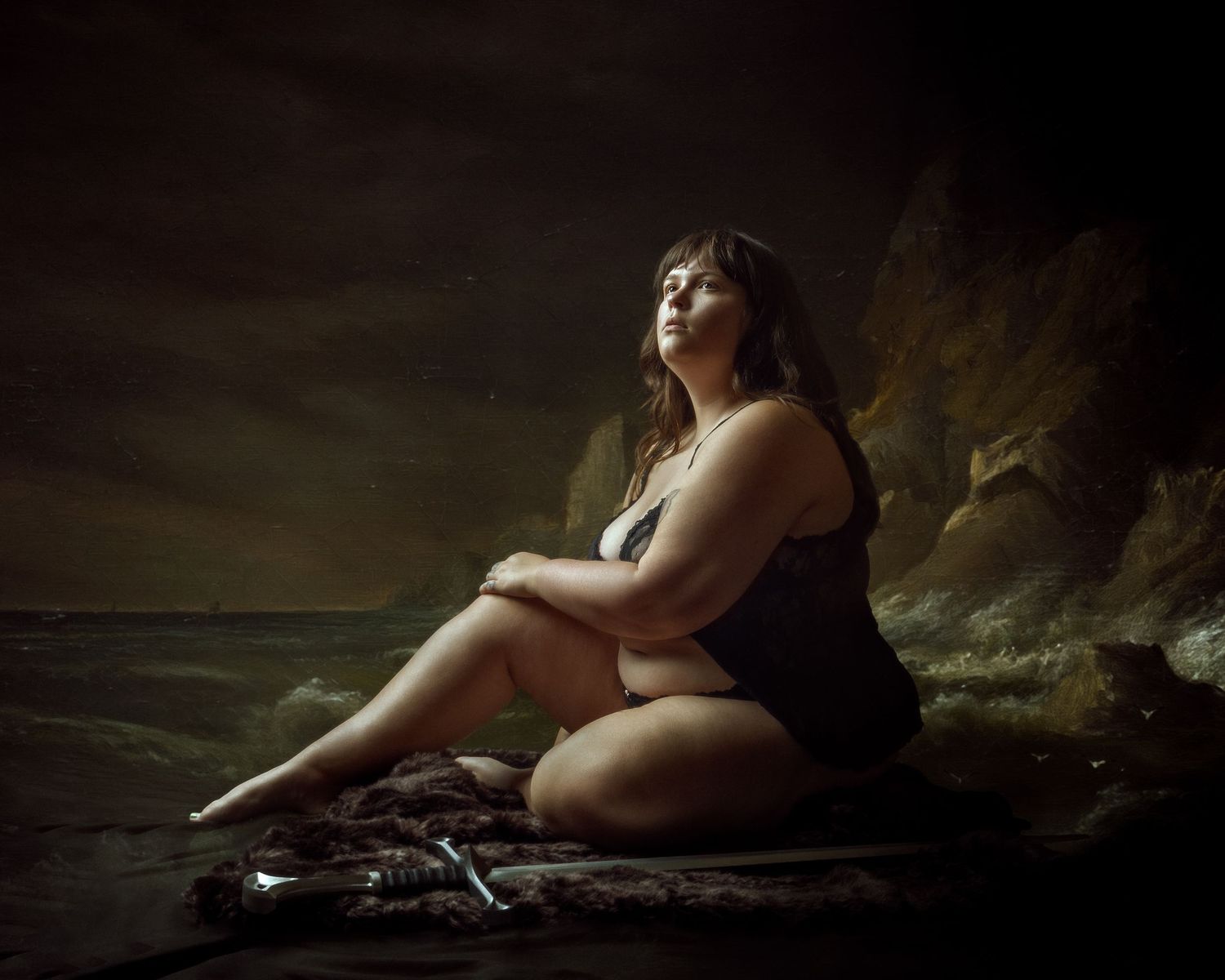
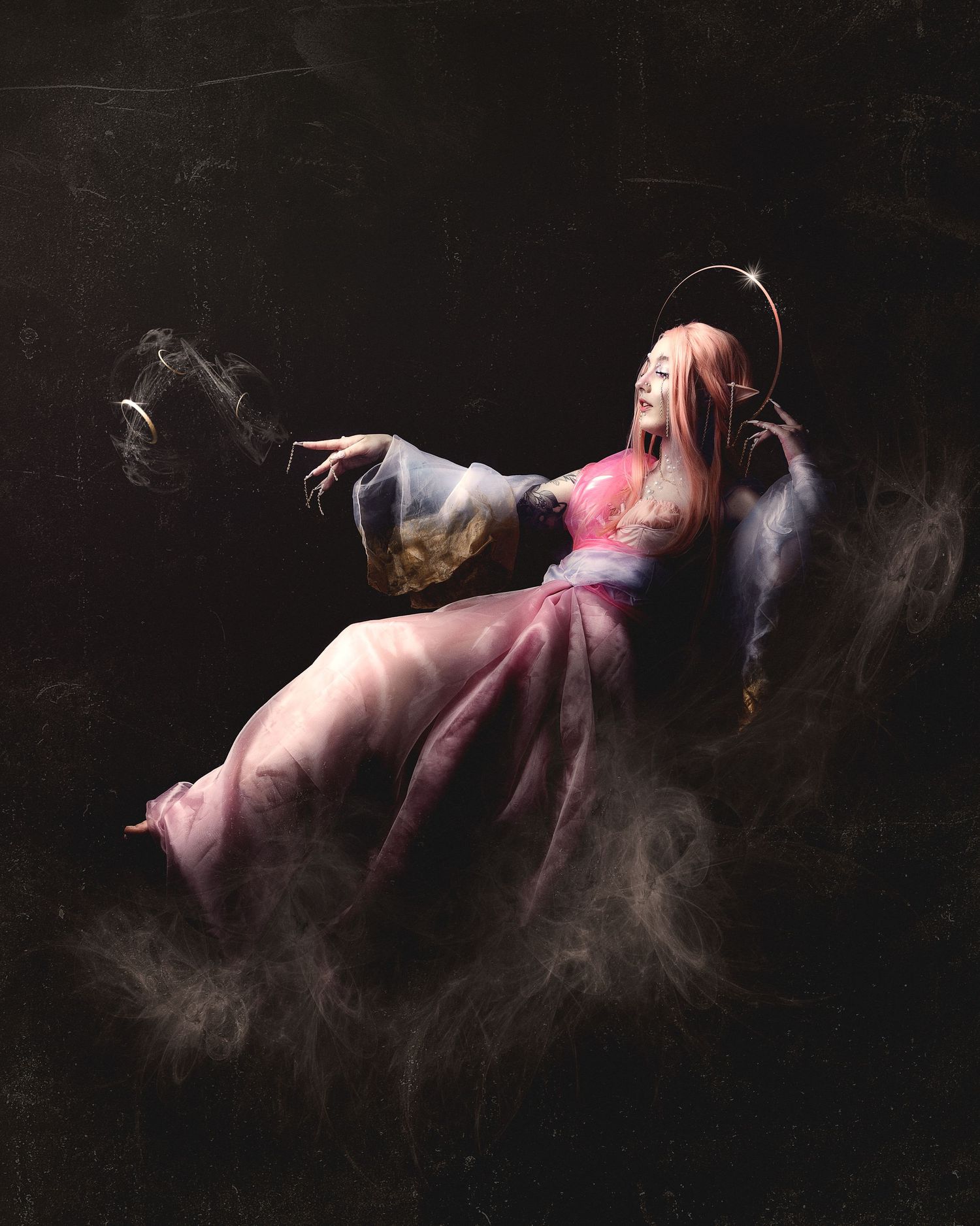
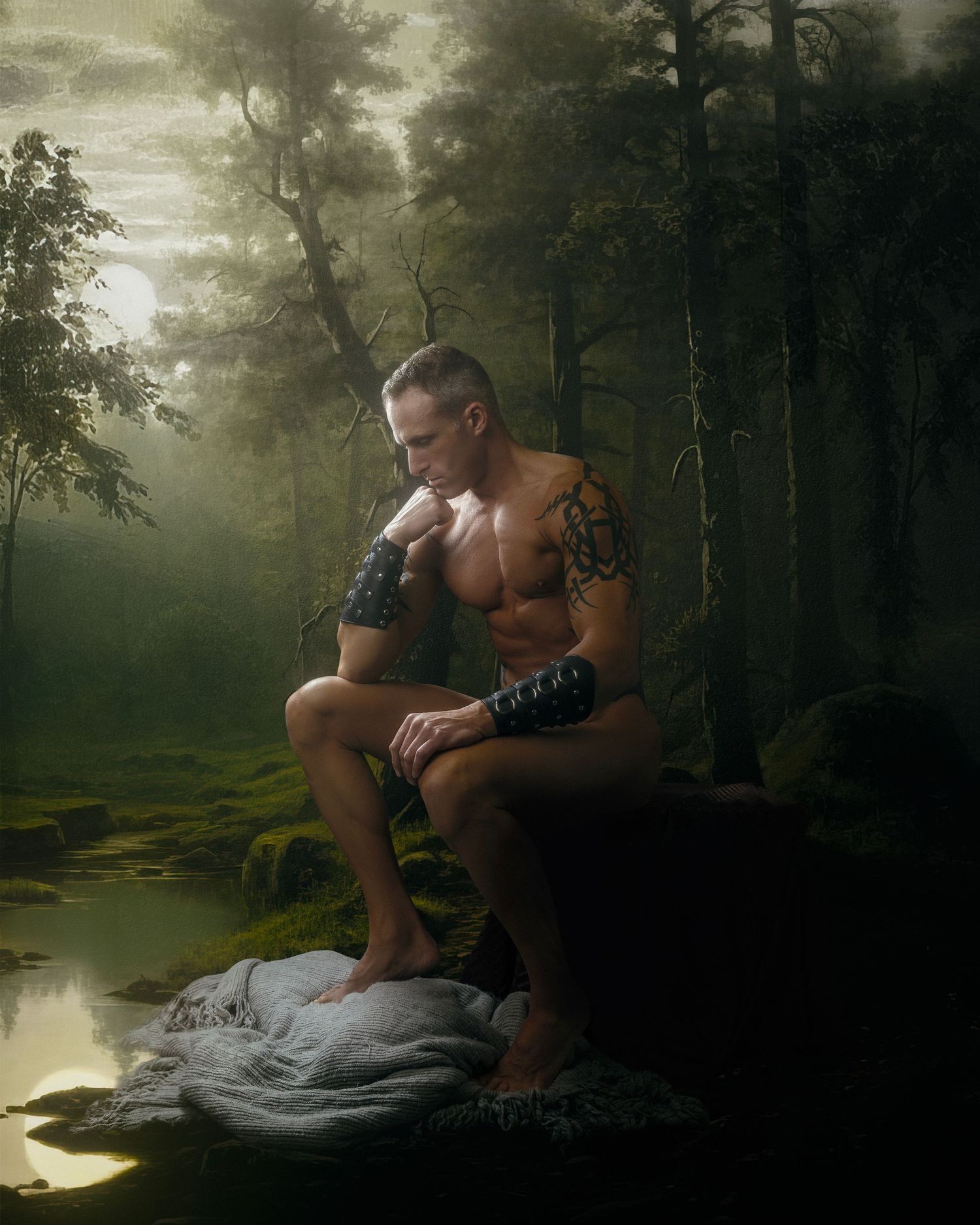
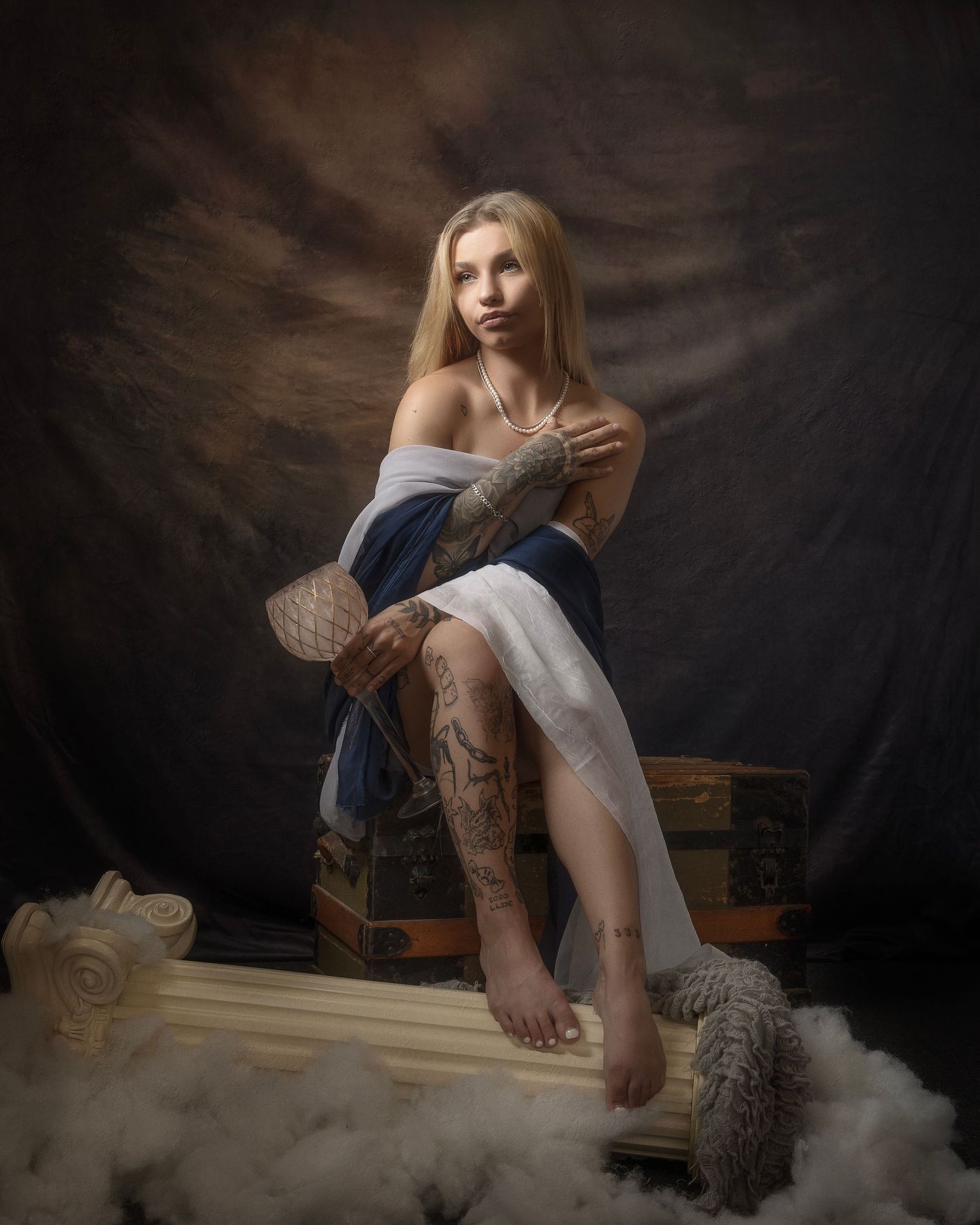
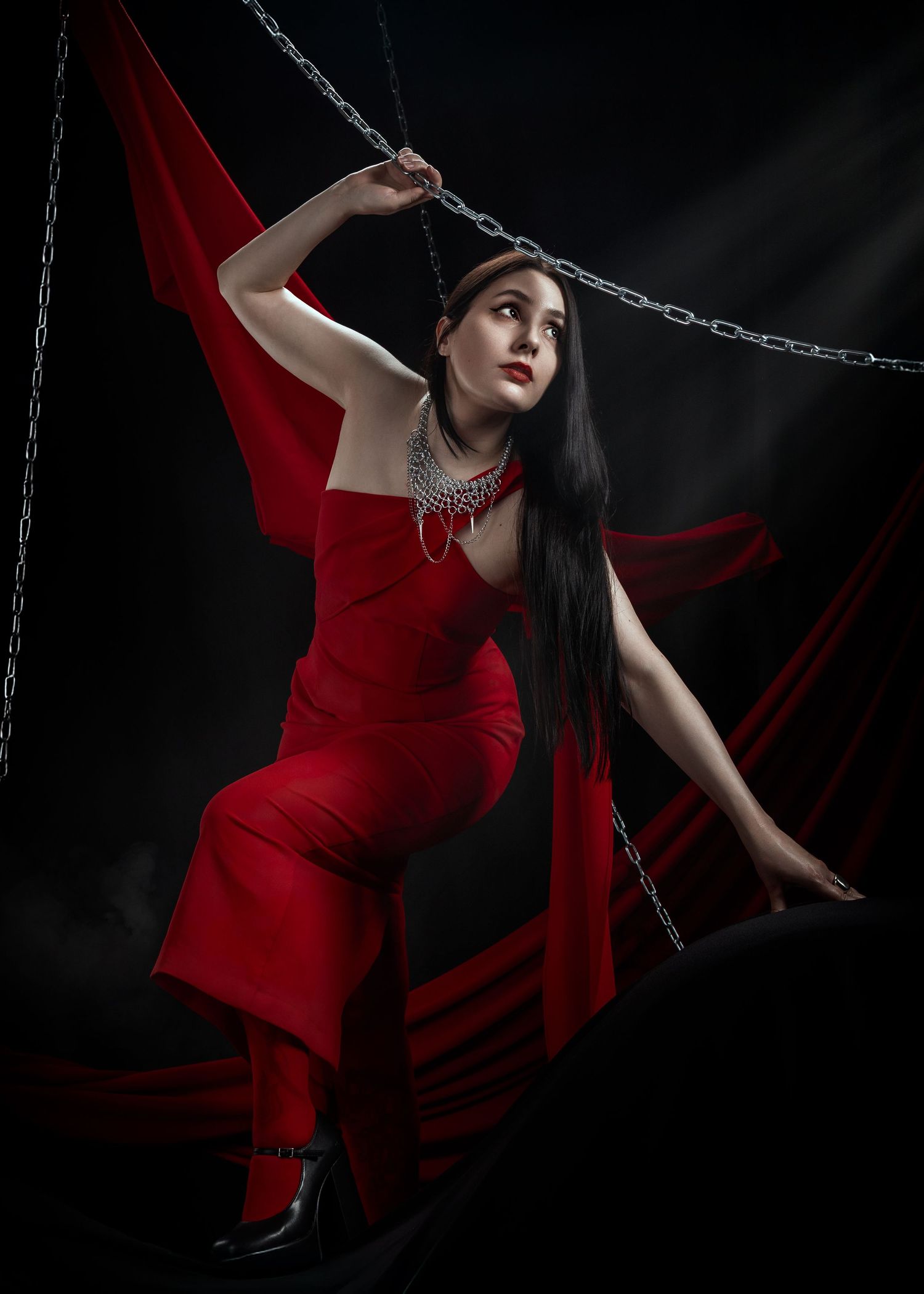
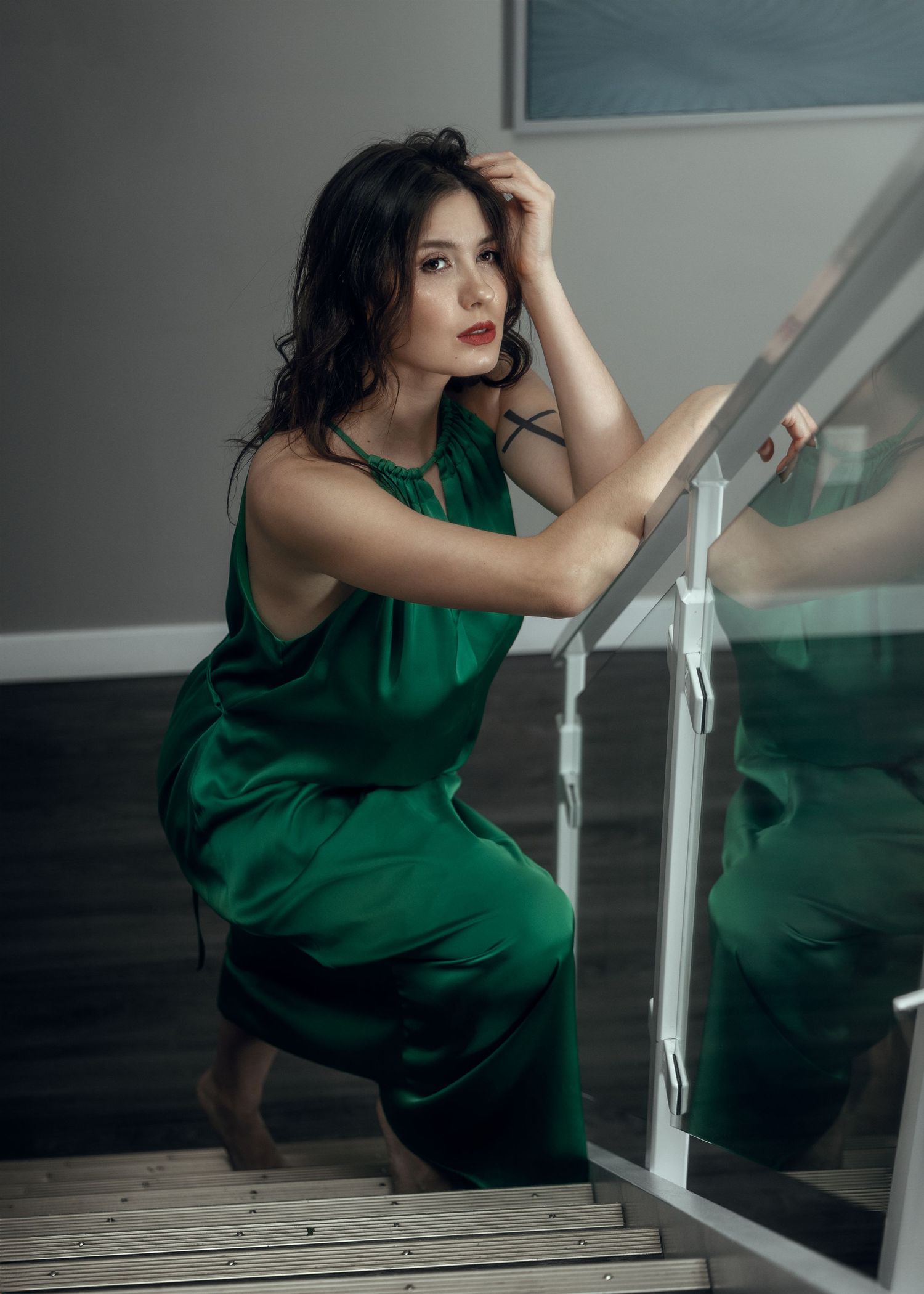
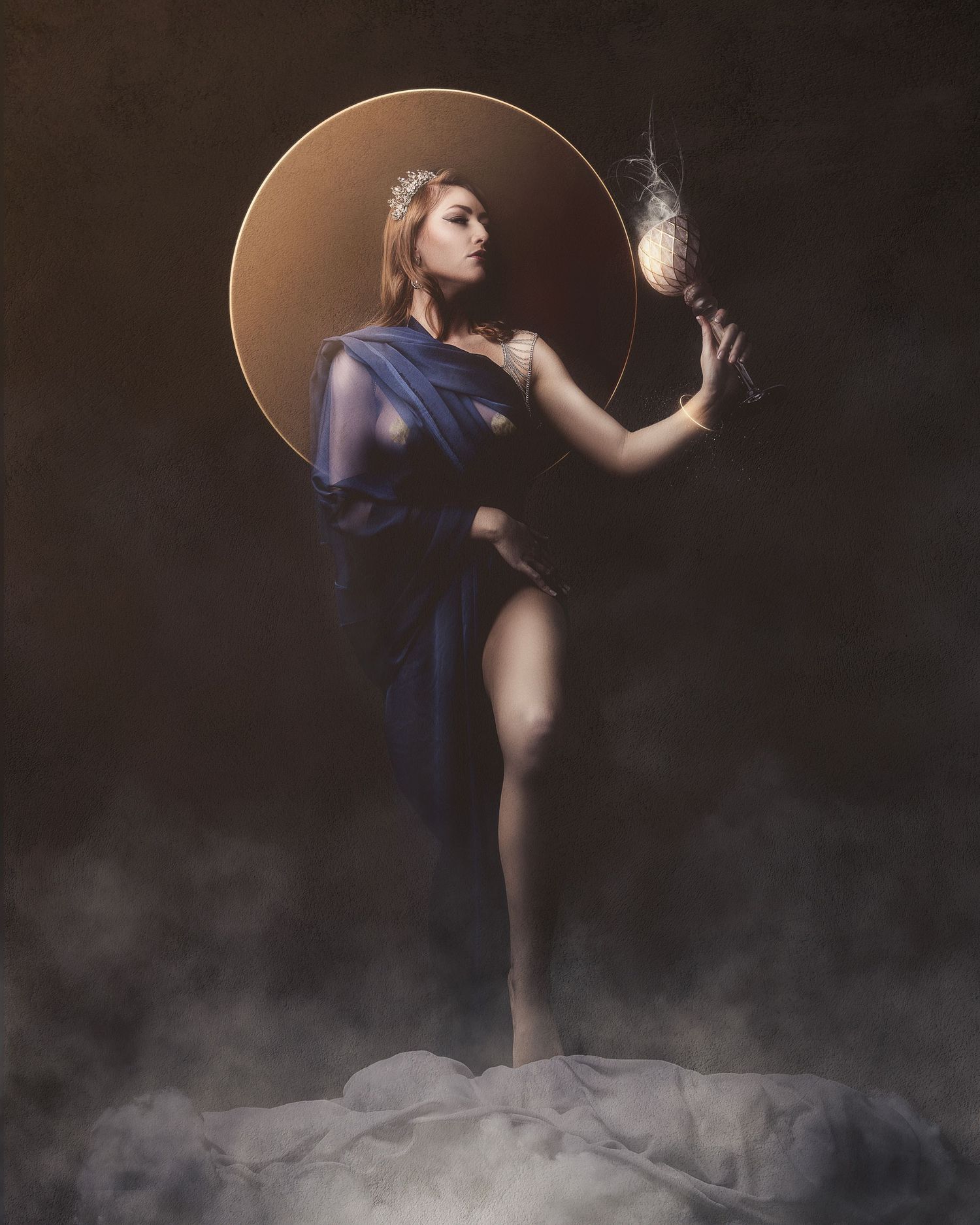
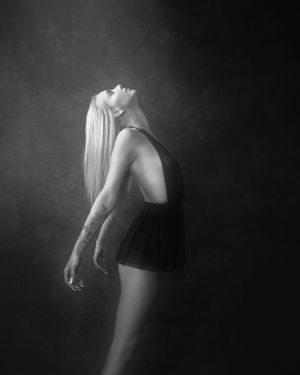
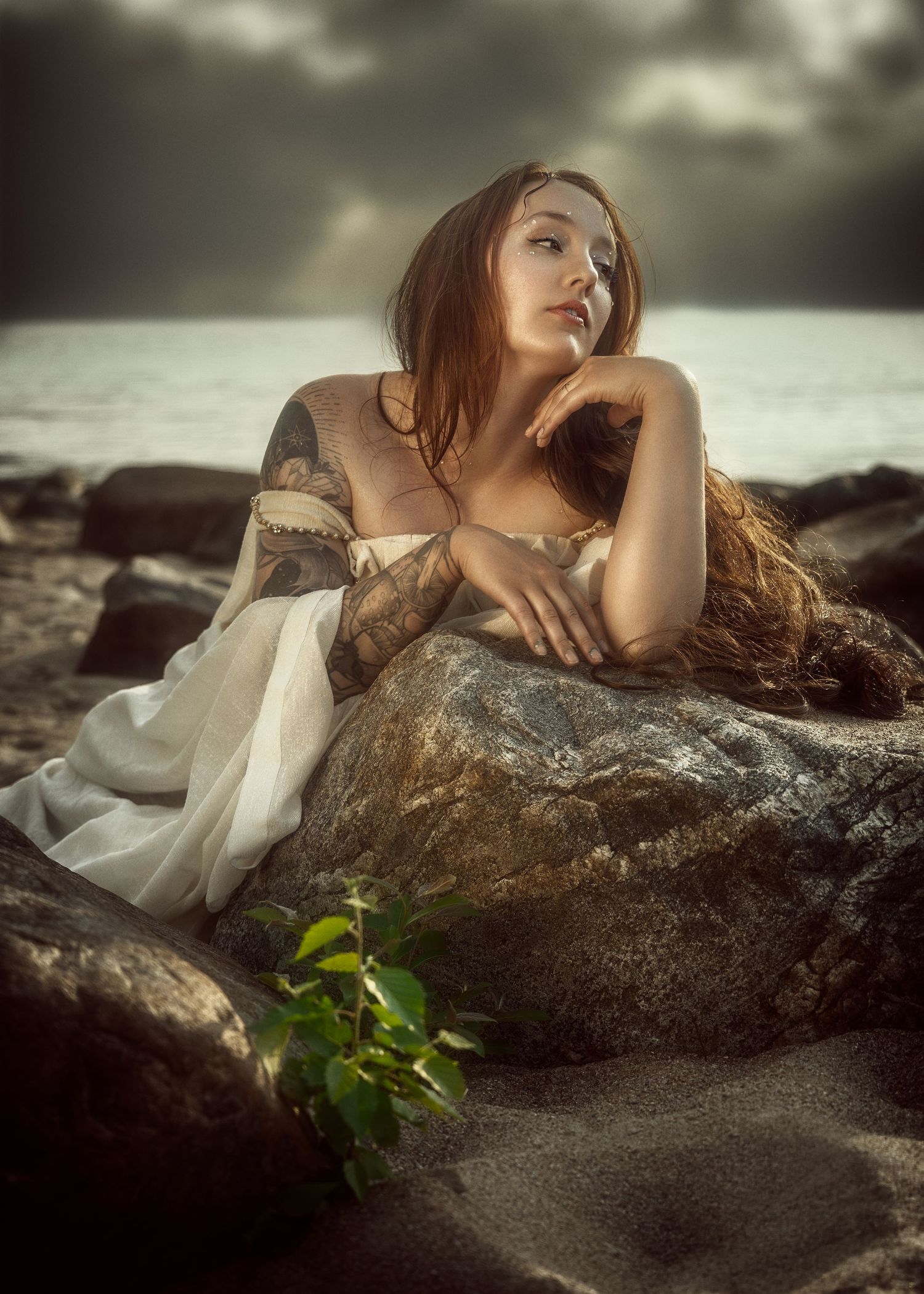
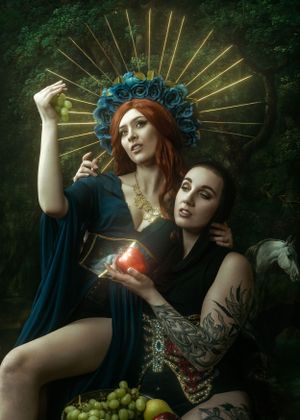
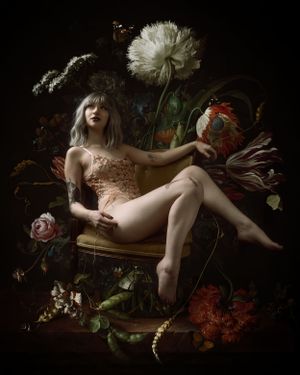
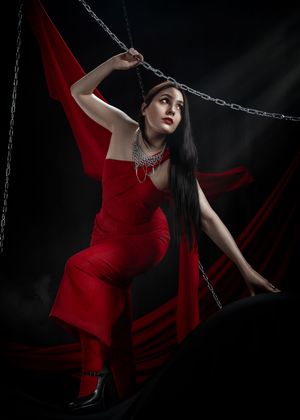
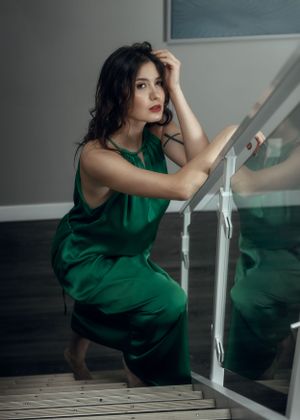
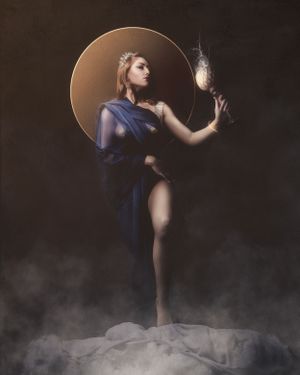
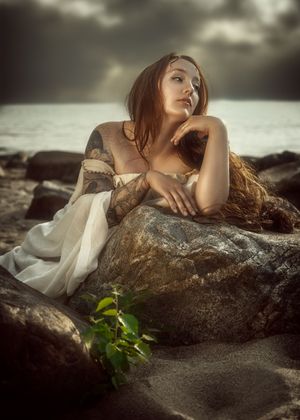
Side by side comparison
These images of the same subject in the same session use poses for very different moods.
In the first image, the subject is curled inwards, reducing their presence and appearing more reserved. There is still length in the legs and neck, appearing graceful, while the gaze to the side leaves the viewer wondering why.
In the second image, the subject takes up more of the frame which makes the image more 'searching' or 'exploring'.
Posing can dramatically impact the mood and story of a photo! If you have a story to tell or a mood you want to capture, please tell me in your booking form or in a free consultation. I would be happy to discuss the posing in advance so you can feel more confident on the day!
Putting it Into Practice
Here are some exercises you can do to prepare for your shoot. You might find it beneficial to practice in a mirror, or with your own camera to see the differences:
- Pay attention to what parts of your body are all involved with day to day actions
- Practice accentuating these actions. If you find yourself reaching and extending, reach further. Involve as much of your body as you can.
- Curl your body inwards. Try to use each joint in your body to make yourself as small as possible. Pay attention to how you might appear smaller, taking up less space and what emotions may be reflected.
- Extend your body. Make hard right angles (think Captain Morgan pose). Feel how much more space you take up and how much stronger these poses may appear.
- Try to start building your pose from the toes and work your way up. There are so many joints, it can feel overwhelming if you don't have a place to start.
Your Session
If you have read this guide, it is probably because you are feeling apprehensive about posing for a photo session... I hear you, I see you. I have so much admiration for people who are willing to pose for a photo session.
Don't worry - I've got you! We will build the poses together to tell the story that you want to tell! I will guide you through the poses the same way as I suggested to practice - starting from the toes and working upwards. Some of the movements may be very subtle, and some of them may be quite exaggerated to the point that it feels very unnatural, but all of these movements work together to capture the mood and tell your story.
I look forward to creating with you!
If you have questions or are ready to book your session, please click the button. Bookings are accompanied by a questionnaire that will help you to convey your story and your intentions. Free consultation calls are also offered - please reach out!


